
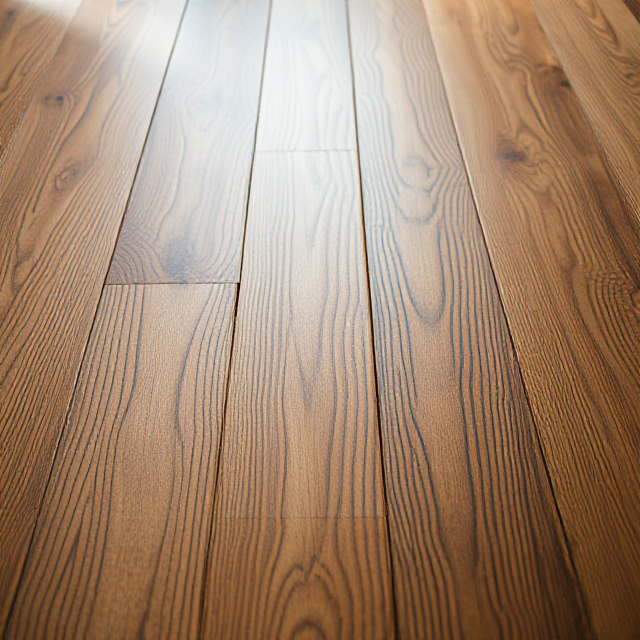
Garapa
Common Names: Garapa Gold or Brazilian Ash
Appearance:
-
Color: Light to medium yellowish-brown.
-
Texture: Fine to medium.
-
Variations: Boards may show darker streaks or patterns. Untreated, it weathers to a silver-grey patina over time.
Durability:
-
Rating: Class 1, ideal for outdoor use like decking.
Hardness:
-
Known for its strength, with a Janka hardness rating of approximately 1,630 lbf, surpassing many other decking hardwoods.
Stability:
-
Highly stable with minimal shrinkage or cracking.
Maintenance:
-
Regular upkeep is necessary to maintain its look and longevity. Applying a UV-resistant finish or sealer every 1-2 years helps combat sun damage and weathering.
Usage in Western Cape:
-
Garapa is the timber of choice for decking in the Western Cape, known for its ease of use and durability. It’s available for both decking and structural applications.
Close Up:
Overview:

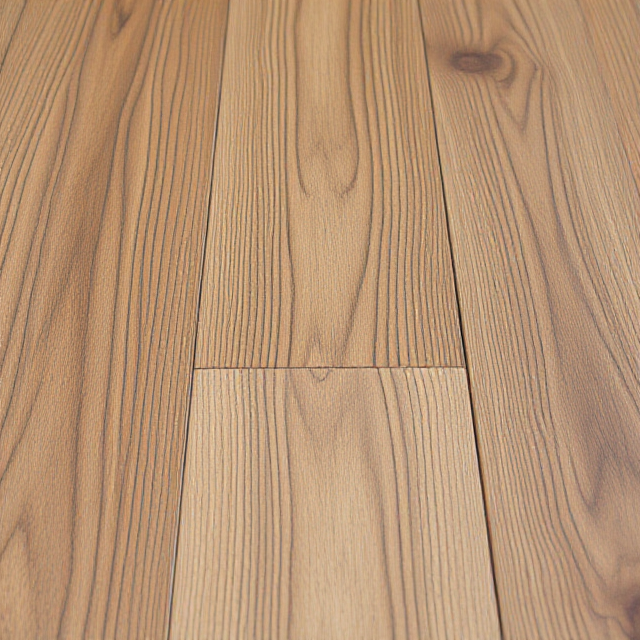
Balau
Close Up:
Overview:
Common Names: Also known as Bankirai.
Appearance:
-
Color: Freshly cut Balau varies from rich reddish-brown to yellow-brown.
-
Weathering: Without treatment, it will age to a silver-grey patina.
Durability:
-
Rating: Classified as Class 2 Hardwood, providing strong resistance to decay, insects, and rot, making it suitable for outdoor use.
Hardness:
-
Notable for its toughness, with a Janka hardness rating between 1,400 to 1,600 lbf, which supports its use in decking.
Stability:
-
Generally stable with low shrinkage, although splintering and splitting can be common.
Maintenance:
-
To keep its appearance and extend its life, Balau decking needs regular care. A UV-resistant finish or sealer should be applied every 1-2 years to protect against sun damage and weathering.
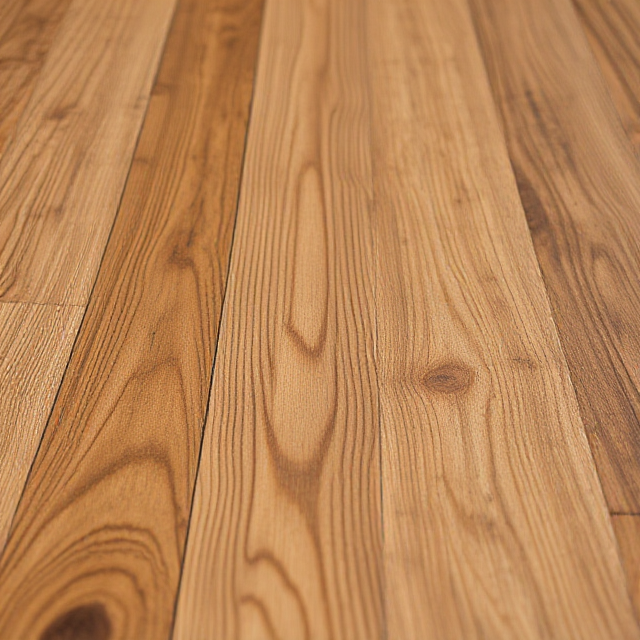
Massaranduba (Bulletwood)
Common Names: Also referred to as Brazilian Redwood.
Appearance:
-
Color: When freshly cut, it boasts a reddish-brown to dark red hue.
-
Weathering: If left untreated, it will naturally weather to a silver-grey patina.
Durability:
-
Rating: Class 1, indicating excellent resistance to decay, insects, and rot, making it ideal for outdoor use.
Hardness:
-
Among the hardest woods for decking with a Janka hardness rating of approximately 3,100 lbf, surpassing even Ipe.
Stability:
-
Offers moderate stability.
Maintenance:
-
Requires relatively low maintenance; a UV-resistant finish or sealer applied every 2-3 years helps maintain its appearance and extend its life against sun and weathering effects.
Close Up:
Overview:
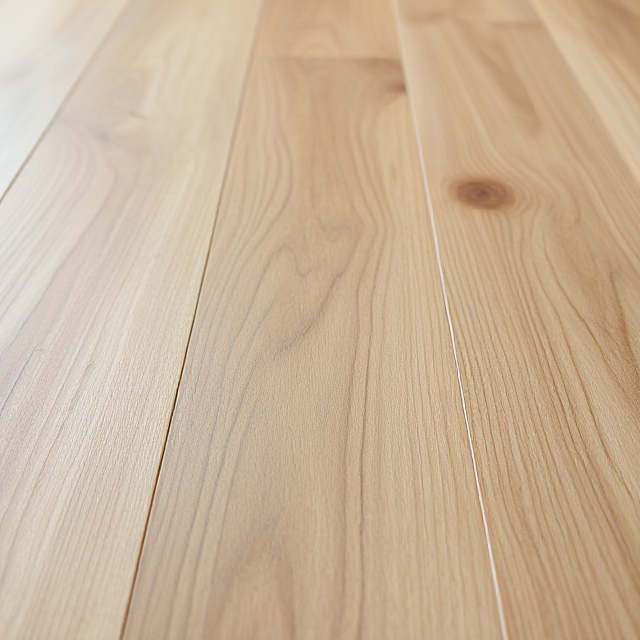
Ipe (Brazilian Walnut, Lapacho)
Close Up:
Overview:
Pronunciation: Pronounced “EE-pay”.
Appearance:
-
Color: Freshly cut Ipe ranges from dark brown to olive-brown, often with streaks of lighter or darker tones for an exotic look.
-
Weathering: If not treated, it will naturally age to a silver-grey patina.
Durability:
-
Rating: Class 1, signifying unmatched resistance to decay, insects, and rot, positioning it as one of the most enduring decking materials.
Hardness:
-
Known for its extreme hardness, with a Janka rating well over 3,000 lbf, making it more durable than most hardwoods against wear.
Stability:
-
Excellent stability.
Maintenance:
-
Ipe needs little upkeep to maintain its natural qualities. Although it can be left untreated, applying a UV-resistant finish or sealer will help preserve the original color and shield it from sun damage.
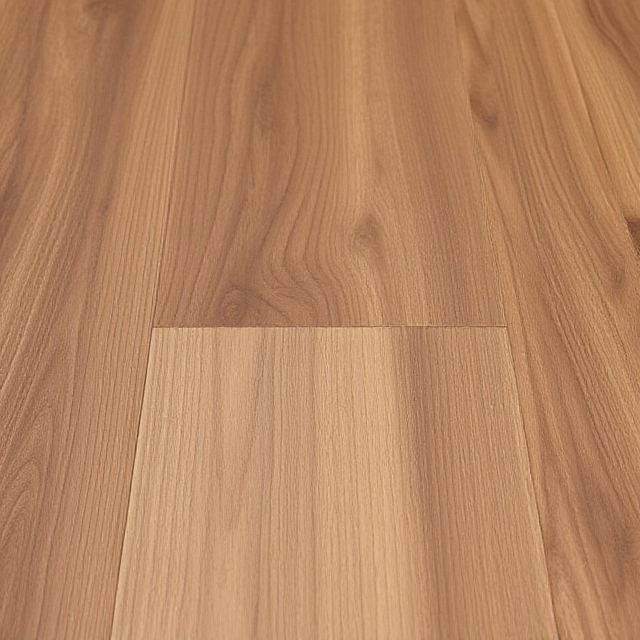
Iroko
Scientific Name: Chlorophora excelsa
Origin: Native to tropical Africa, notably in Nigeria, Ghana, and Ivory Coast.
Appearance:
-
Color: Freshly cut Iroko is golden to medium brown, which darkens to a uniform medium to dark brown over time.
Durability:
-
Known for its solid durability, with resistance to decay, insects, and rot, generally falling into Durability Class 2 – 3.
Hardness:
-
With a Janka hardness rating of 1,260 to 1,370 lbf, Iroko is moderately hard, suitable for decking though not as hard as some other tropical woods.
Stability:
-
Offers excellent stability.
Maintenance:
-
To maintain its appearance and protect against environmental wear, Iroko needs regular care. A UV-resistant finish or sealer should be applied every 1-2 years to retard weathering and safeguard the wood.
Close Up:
Overview:
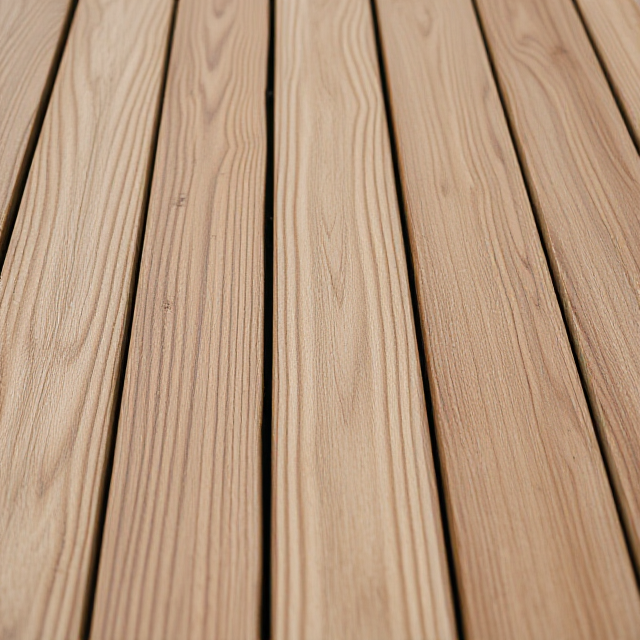
Rhinowood
Close Up:
Overview:
Description:
Rhino Wood is a type of wood that has undergone thermal modification, where it’s heated to high temperatures in a controlled atmosphere and then treated with wax. This treatment changes the wood’s internal structure, significantly improving its durability and resistance to various environmental threats.
Rhino Wood is a type of wood that has undergone thermal modification, where it’s heated to high temperatures in a controlled atmosphere and then treated with wax. This treatment changes the wood’s internal structure, significantly improving its durability and resistance to various environmental threats.
Appearance:
-
Color: The process darkens the wood, giving it a richer, deeper brown tone.
Durability:
-
The thermal treatment boosts the wood’s resistance to decay, pests, and fungi, achieving a Class 1 durability rating. Rhino Wood also boasts better dimensional stability, with less tendency to warp, twist, or crack.
Hardness:
-
After the thermal and wax treatment, Rhino Wood is classified as a hardwood.
Stability:
-
Exhibits excellent stability.
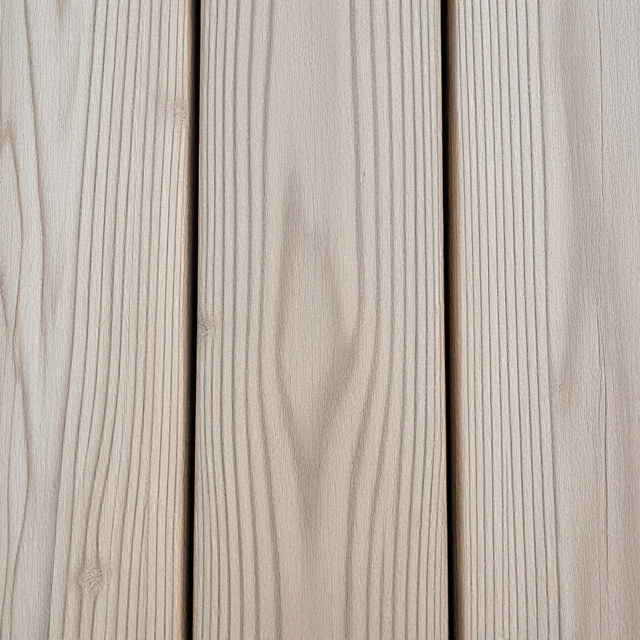
SA Pine (Pine, Treated Pine)
Description: CCA treated pine is pine wood preserved with a mixture of copper, chromium, and arsenic compounds. This treatment is intended to shield the wood from rot, insects, and fungi.
Appearance:
-
Color: It starts with a greenish hue due to copper content, which fades over time, allowing the wood to look more natural with exposure to weather.
Durability:
-
The CCA treatment greatly increases the wood’s longevity, offering enhanced resistance to decay compared to untreated pine.
Hardness:
-
As a softwood, pine is less durable against physical damage like dents or scratches compared to hardwoods.
Stability:
-
It’s relatively stable but can experience some shrinkage and surface cracking.
Maintenance:
-
It requires consistent upkeep to maintain its condition and appearance. This includes regular applications of stain, sealant, or paint to protect against environmental wear.
Close Up:
Overview:
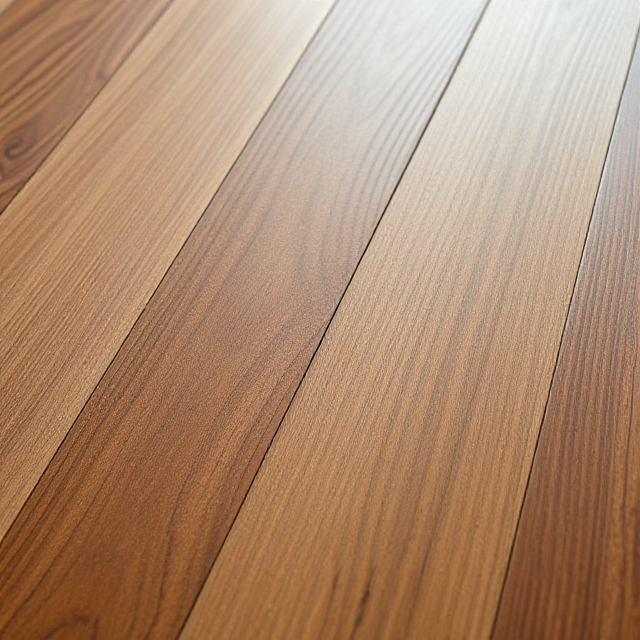
Afromosia (African Teak)
Close Up:
Overview:
Common Names: African Teak (though not botanically related to true teak, Tectona grandis)
Origin: Native to West and Central Africa.
Appearance:
-
Color: When freshly cut, Afromosia displays a golden to light brown hue, which darkens to a richer brown with time and sun exposure.
Durability:
-
It boasts excellent resistance to decay, insects, and rot, making it ideal for outdoor applications due to its natural resilience.
Hardness:
-
With a Janka hardness rating over 1,600 lbf, Afromosia is highly durable, resisting dents and general wear.
Stability:
-
Offers excellent stability.
Maintenance:
-
Afromosia requires little maintenance to keep its aesthetic appeal. Although it can be left untreated, using a UV-resistant finish or sealer will help maintain its color and protect it from weathering.
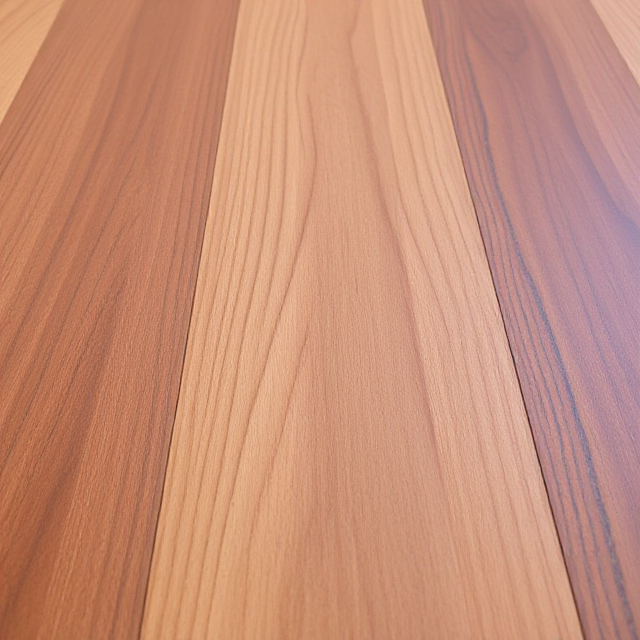
Jarrah
Scientific Name: Eucalyptus marginata
Origin: Native to southwestern Western Australia.
Appearance:
-
Color: Jarrah boasts a vibrant range from salmon pink to deep red-brown. With sun exposure, it can darken to a rich mahogany color.
Durability:
-
Known for its outstanding durability, Jarrah resists decay, termites, and other pests effectively, earning a Class 1 hardwood rating.
Hardness:
-
It has a high Janka hardness rating, typically over 1,600 lbf, providing excellent resistance to dents and wear.
Stability:
-
Offers excellent stability.
Maintenance:
-
Jarrah decking needs little maintenance to maintain its beauty. Although it can be left untreated, applying a UV-resistant finish or sealer will help protect it from sunlight and weathering effects.
Close Up:
Overview:
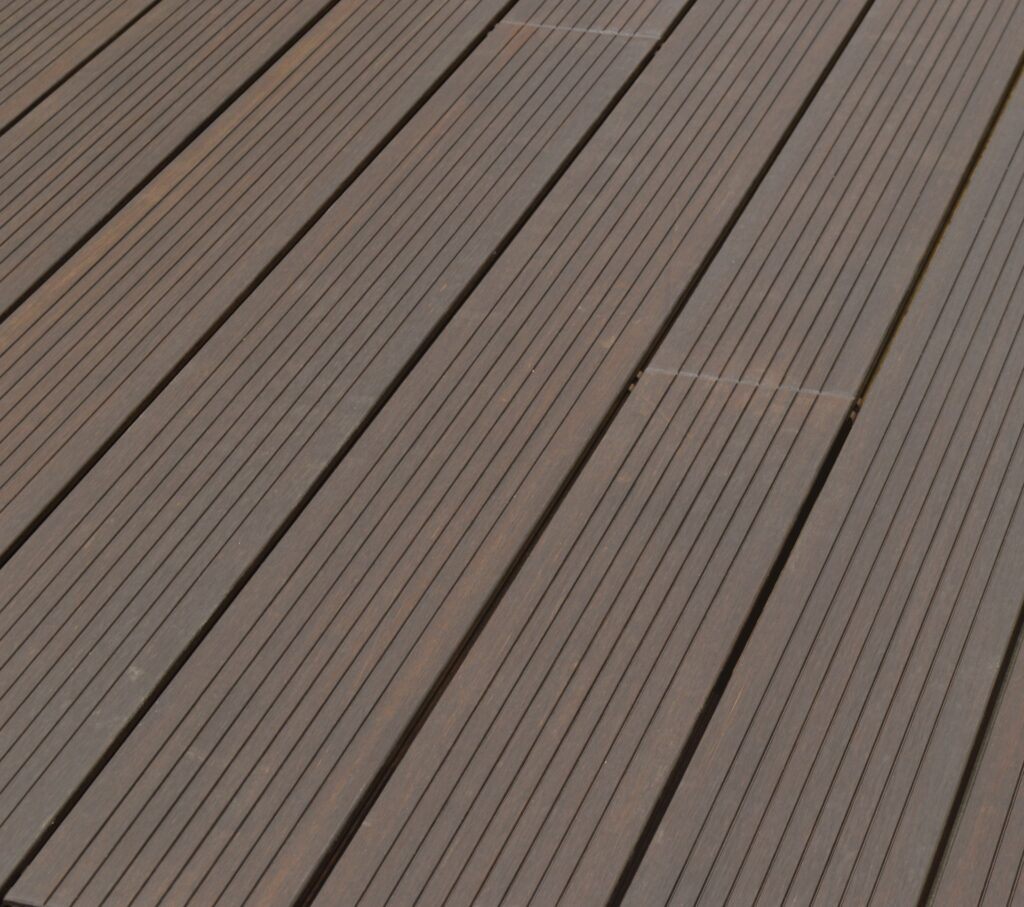
MOSO® Bamboo
Close Up:
Overview:
Material Composition: Made from compressed, thermally treated bamboo strips.
Appearance:
-
Color: The thermal treatment results in a deep, rich brown color.
Durability:
-
Classified as Class 1 hardwood, showcasing high durability. It’s recognized for its strength and longevity.
Hardness:
-
Moso Bamboo is notably dense, enhancing its durability and stability. Among bamboo varieties, Moso is particularly hard.
Stability:
-
Excellent stability.
Maintenance:
-
It requires minimal upkeep; regular cleaning with occasional sealing or staining helps preserve its look and resilience against weather conditions.
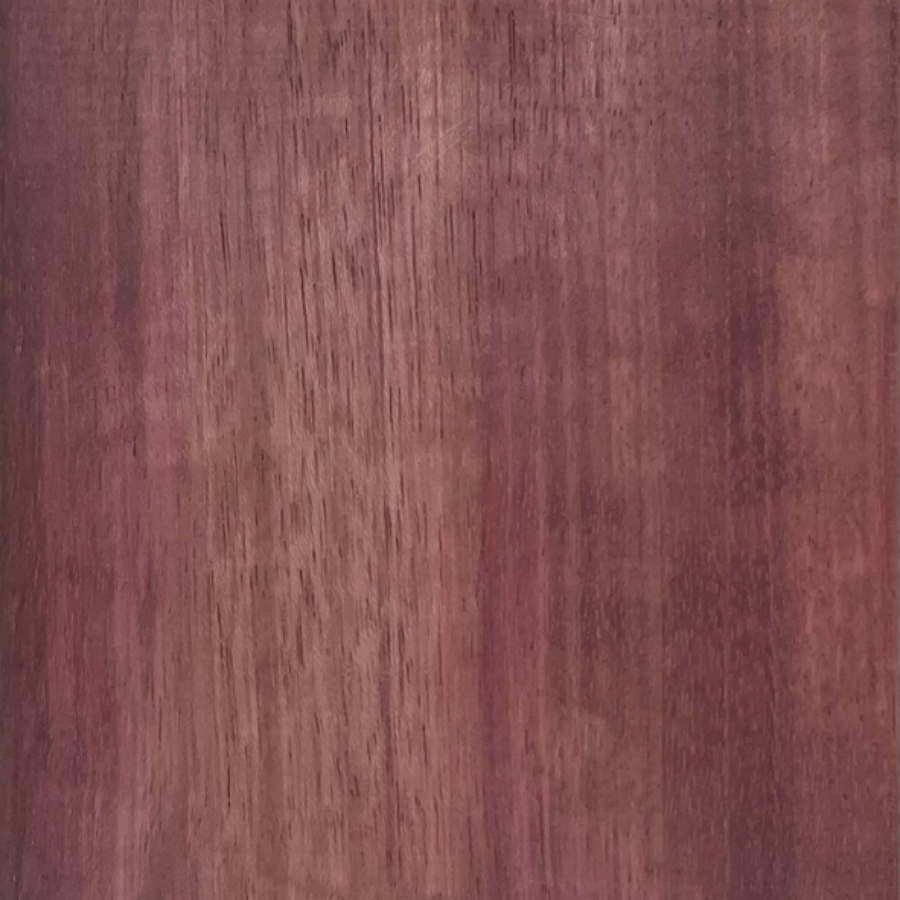
Purpleheart (Amaranth, Roxinho, Violeta)
Scientific Name: Peltogyne spp.
Origin: Native to Central and South America.
Appearance:
-
Color: Known for its vivid purple to purplish-brown heartwood, which darkens upon exposure to sunlight, moving towards a rich, purplish-brown.
Durability:
-
Offers high natural durability with resistance to decay, insects, and environmental wear, achieving a Class 1 rating.
Hardness:
-
Purple Heart is among the hardest woods, with a Janka hardness rating often surpassing 1,800 lbf, making it highly resistant to physical damage.
Stability:
-
Exhibits excellent stability.
Maintenance:
-
It requires low maintenance to maintain its appearance. While some prefer the natural aging of the color, others might apply a UV-resistant finish to keep the initial vibrant purple hue.
Close Up:
Overview:
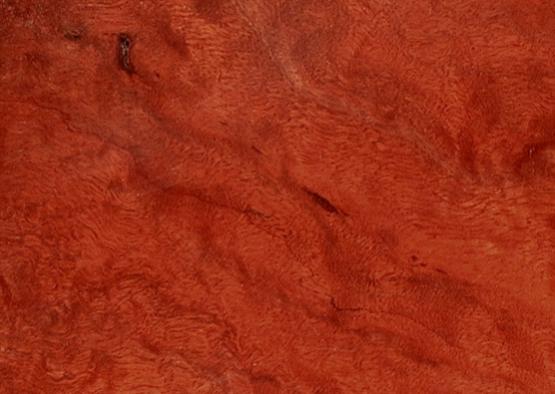
Red River Gum (Blue Gum, Red Gum, Murray River Gum)
Close Up:
Overview:
Common Names: Also known as Blue Gum, Red Gum, or Murray River Gum.
Species: Primarily Eucalyptus camaldulensis, found in Australia along riverbanks.
Appearance:
-
Color: The heartwood shows a distinctive reddish-brown to pink color, with lighter sapwood. The grain is typically straight, with a moderately coarse texture.
Durability:
-
It offers moderate to high natural durability, resisting decay, termites, and pests, with a Class 2 rating for good resistance to deterioration.
Hardness:
-
A hardwood with a moderate to high Janka hardness rating, making it fairly resistant to physical wear.
Stability:
-
Has moderate stability.
Maintenance:
-
Requires minimal maintenance to keep its appearance. Regular cleaning and the occasional application of sealant or stain will help protect it from environmental wear.